
Category: Bibliometrics and Research Impact

Presenting Research Impact: Metrics, Misuse, and Movement
— by Fanny Liu Introduction Research metrics are quantitative measurements designed to evaluate research outputs and impacts (Wilsdon, 2015). They consist of different measures and statistical methods for assessing the quality and impact of research. Traditionally, research metrics (bibliometrics) focuses on the quantitative analysis of research outputs, most commonly scholarly publications. The most extensively utilized…
Read More
HKU Performance in ESI data – Research Performance Statistics Released in September 2023
— by Vivian Qiu 1. Introduction to ESI data Essential Science Indicators (ESI) data are statistical data that help identifying top-performing research and emerging areas of research in science and social sciences based on the Web of Science Core Collection data. ESI surveys more than 11,000 journals across 22 broad disciplines (Essential Science Indicators Help,…
Read More
Beyond citations — Demonstrate your research impact with alternative metrics
— by Fanny Liu Introduction to Altmetrics Alternative metrics (also known as altmetrics) indicate the attention of scientific outputs which are shared, mentioned, and discussed in online environments, which are derived from users’ actions on various social media platforms and other online sources (e.g., Wikipedia) [1]. Altmetric.com is a platform to find altmetrics for research…
Read More
Towards a Framework to Measure Open Science Practices – PLOS Open Science Indicators
— by Fanny Liu Open Science is “transparent and accessible knowledge that is shared and developed through collaborative networks” (Vicente-Saez & Martinez-Fuentes, 2018, p. 434). It encompasses emerging trends such as open code, open data, open access, and more. PLOS (Public Library of Science) is a non-profit, open access publisher in science and medicine, and…
Read More
Top 2% Scientist by Stanford University
— by Florence Ng Stanford University has released a publicly available database of top-cited scientists, the World’s Top 2% Scientists for 2022. The ranking list is created based on the bibliometric information retrieved from Scopus as of 1 September 2022, with the data updated to the end of citation year 2021. The datasets are freely…
Read More
Top HKU Researchers: the Research.com Rankings
— by Florence Ng The University of Hong Kong (HKU) has a highly talented pool of scholars and researchers in a wide range of expertise. Our researchers have built impressive profiles with their innovative, high-impact and leading-edge research, and at the same time, made efforts in transforming their intellectual output into values and benefits to…
Read More
Communicating research impact in academic CVs
— by Fanny Liu CV, an abbreviation for the Latin curriculum vitae, meaning “course of (one’s) life”, presents a detailed summary of academic background and degrees, job experience, research, publications, presentations and lectures, honours, and other accomplishments (Rogers). You may need it for job searching, awards, fellowships, funding applications, tenure review and more. Below are…
Read More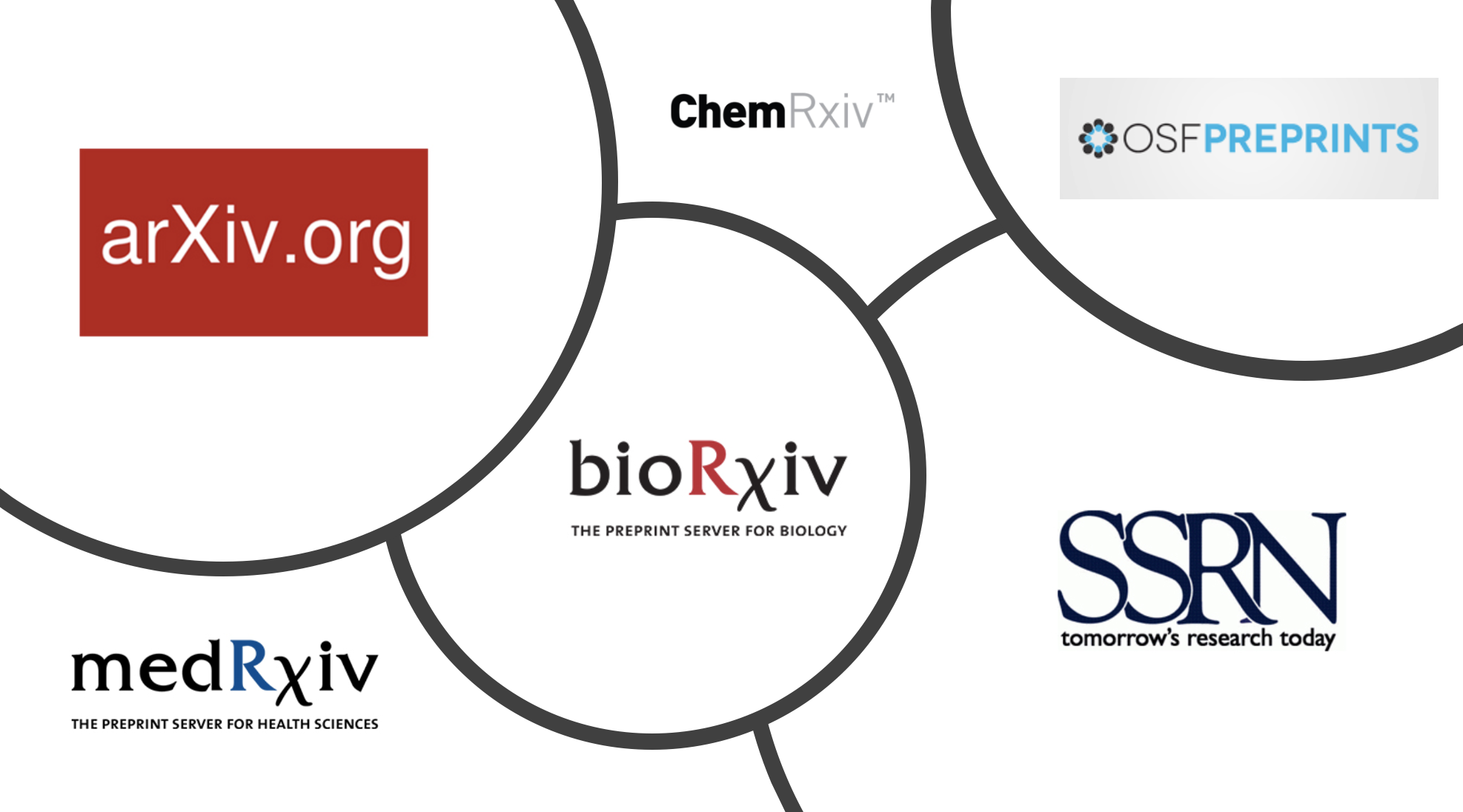
Preprints 1: Speed, Readership, and Citation Advantage
— by Fanny Liu This blog post will briefly introduce preprints and their benefits. In the next post, the concerns of preprints and implications to authors and readers will be discussed. Stay tuned! Introduction Preprint is a version of a scholarly paper preceding formal peer review. Since the launch of arXiv (https://arxiv.org/), the very first…
Read More
Ways to boost your citations – Social Media
— by Florence Ng Dissemination of scholarly information is no longer limited to printed materials or electronic databases, but a faster, easier, and more interactive platform – social media. When you are in search of effective ways to increase the visibility and boost citations of your published papers, social media could be a novel means…
Read More
Analysis of University Research Performance by Using ESI and InCites
— by Stella Chow About Essential Science Indicators (ESI) Essential Science Indicators (ESI) is an analytical tool that helps identify top-performing research on the Web of Science (WoS) Core Collection. ESI surveys more than 11,000 journals from around the world to rank authors, institutions, countries, and journals in 22 broad fields based on publication and…
Read More